The toolkit
The right tool for the problem, not the loudest one in the market. AI is applied throughout this work as an accelerant, not treated as a separate offering bolted onto the side.
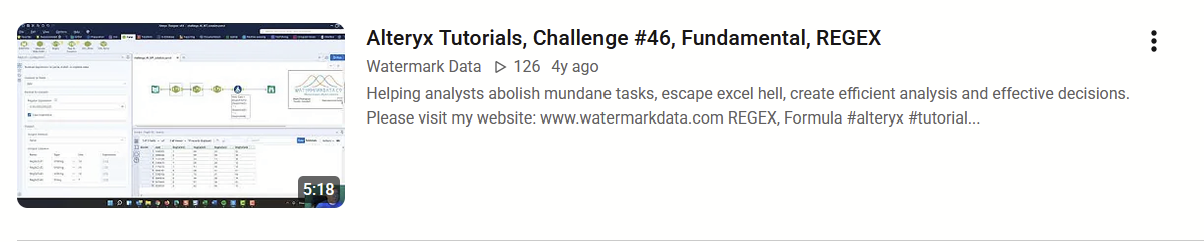
 Alteryx
Workflow automation for the processes that currently eat days of someone's month: blending, cleansing, and self-service applications that replace manual, error-prone spreadsheet work.
 Tableau
Visualization that gets decisions made faster, dashboards built to answer the question a leader actually has, not to look impressive in a demo.
 Snowflake & SQL
A modern warehouse foundation so reporting and analytics stop being built on top of someone's local extract, with the SQL to go with it, T-SQL, Snowflake's dialect, whatever the platform speaks.
 Excel
ExcelStill where a lot of real business decisions get made. Built to be sturdy, auditable, and something a finance team can actually own after the engagement ends.